10 Common Mistakes to Avoid When Pouring Concrete
Excerpt
Pouring concrete may seem straightforward, but even experienced builders can make costly errors. Learn the 10 most common mistakes and how to avoid them for a perfect pour every time.
Content
Introduction
Concrete is the backbone of modern construction. From foundations and driveways to patios and walkways, this versatile material is essential for almost every building project. However, pouring concrete is not as simple as it looks. Even experienced builders can make mistakes that lead to cracks, weak structures, and costly repairs.
In this guide, we'll walk you through the 10 most common mistakes to avoid when pouring concrete, so you can ensure your project stands the test of time.
1. Skipping Site Preparation
One of the biggest mistakes is not properly preparing the site before pouring concrete. This includes failing to clear debris and vegetation from the area, level and compact the ground properly, and install a gravel base for drainage.
Tip: Take time to prepare the site thoroughly. A solid foundation starts with solid ground preparation.
2. Using Incorrect Concrete Mix
Not all concrete is created equal. Using the wrong mix for your project can lead to structural failure. For example, C25 mix is suitable for residential foundations and slabs, while C30 mix is better for commercial applications. Higher strength mixes are needed for heavy loads.
Tip: Always consult with a professional to determine the right mix for your specific project.
3. Poor Reinforcement Placement
Steel reinforcement, such as rebar or wire mesh, is essential for concrete strength. Common mistakes include placing reinforcement too close to the surface, leaving reinforcement exposed, and using rusted or damaged materials.
Tip: Reinforcement should be centered in the slab and properly supported with chairs or spacers.
4. Improper Water-to-Cement Ratio
Adding too much water may make the concrete easier to pour, but it dramatically weakens the final product. This is one of the most common and damaging mistakes.
Tip: Use the correct water-to-cement ratio for your project. A mix that's too wet will result in a weak, porous slab.
5. Pouring in Extreme Weather Conditions
Concrete behaves differently in hot and cold weather. In hot weather, concrete dries too fast, leading to cracks. In cold weather, concrete takes too long to set, and freezing can damage it.
Tip: Plan your pours during favorable weather. In Uganda's tropical climate, early morning or evening pours are often best.
6. Inadequate Compaction
Failing to properly consolidate the concrete leaves air pockets that weaken the structure. This is often called honeycombing.
Tip: Use a vibrator or vibration table to remove air bubbles and ensure full compaction.
7. Neglecting Formwork Quality
Poor formwork leads to uneven surfaces, leaks, and concrete waste. Common issues include using weak or damaged form boards, not properly sealing joints, and failing to apply release agents.
Tip: Invest in quality, sturdy formwork and check it thoroughly before pouring.
8. Poor Joint Placement
Concrete expands and contracts with temperature changes. Without proper joints, you'll get uncontrolled cracking.
Tip: Plan and place control joints at strategic intervals. For slabs, joints should be placed at a spacing of about 30 times the slab thickness.
9. Curing Errors
Curing is critical for concrete strength development. Common mistakes include not curing long enough, which should be a minimum of 7 days for most projects, letting the concrete dry out too quickly, and applying curing compounds incorrectly.
Tip: Keep concrete moist during the curing period. Use wet burlap, plastic sheeting, or curing compounds.
10. Rushing the Finishing Process
Applying finishing too early when water is still rising, or too late when the concrete has hardened, can ruin your surface.
Tip: Wait until the concrete has started to set but is still workable. Proper timing is key to a smooth, durable finish.
Conclusion
Pouring concrete is both an art and a science. By avoiding these 10 common mistakes, you can ensure your concrete project is strong, durable, and long-lasting.
At ZubaCx Enterprise, we provide high-quality construction materials including ready-mix concrete perfectly formulated for your project, sharp sand and plastering sand of premium quality, and high-density blocks that are strong and durable.
Need expert advice or quality materials for your next pour? Contact us today for a consultation.
Contact Information
Phone: 0755098918
Email: info@zubacx.com
Location: Kampala, Uganda
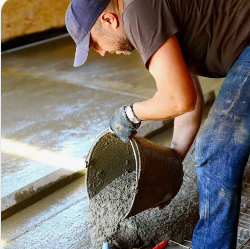
10 Common Mistakes to Avoid When Pouring Concrete